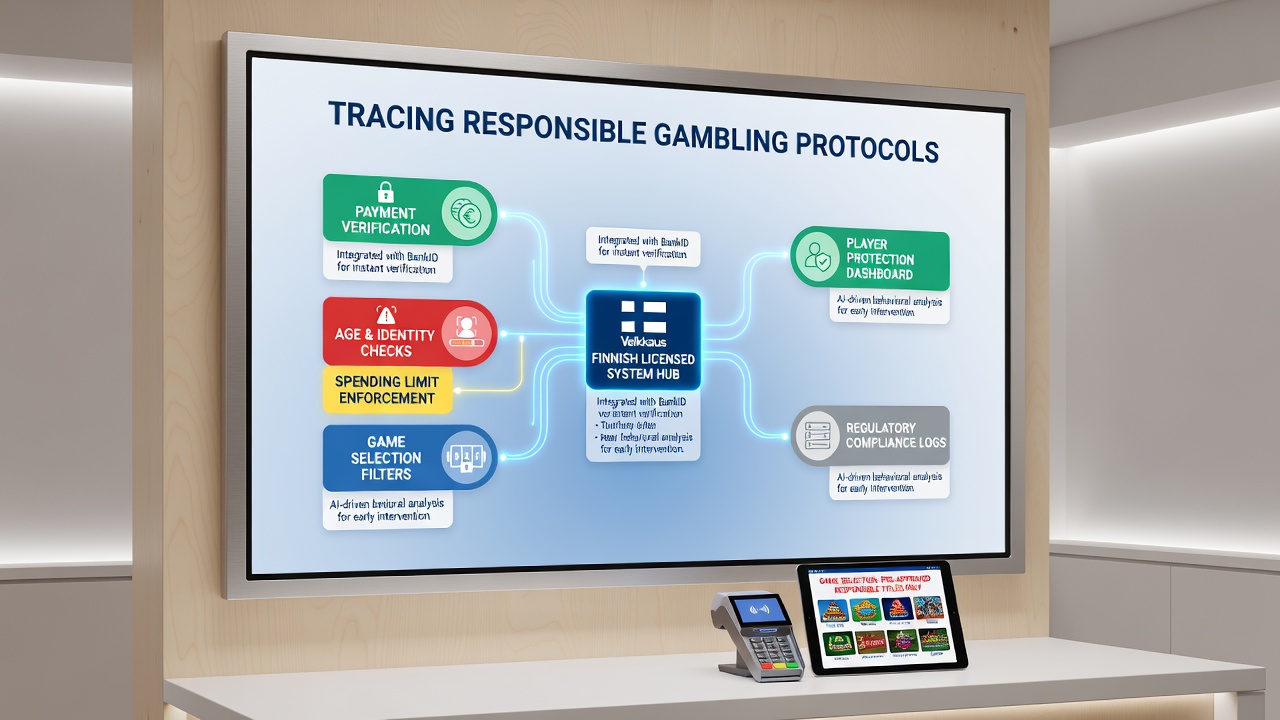
Tracing Responsible Gambling Protocols Through Finnish Licensed Casino Payment Systems and Game Selections
Kirjoittanut Freya Patterson · 15.10.2026
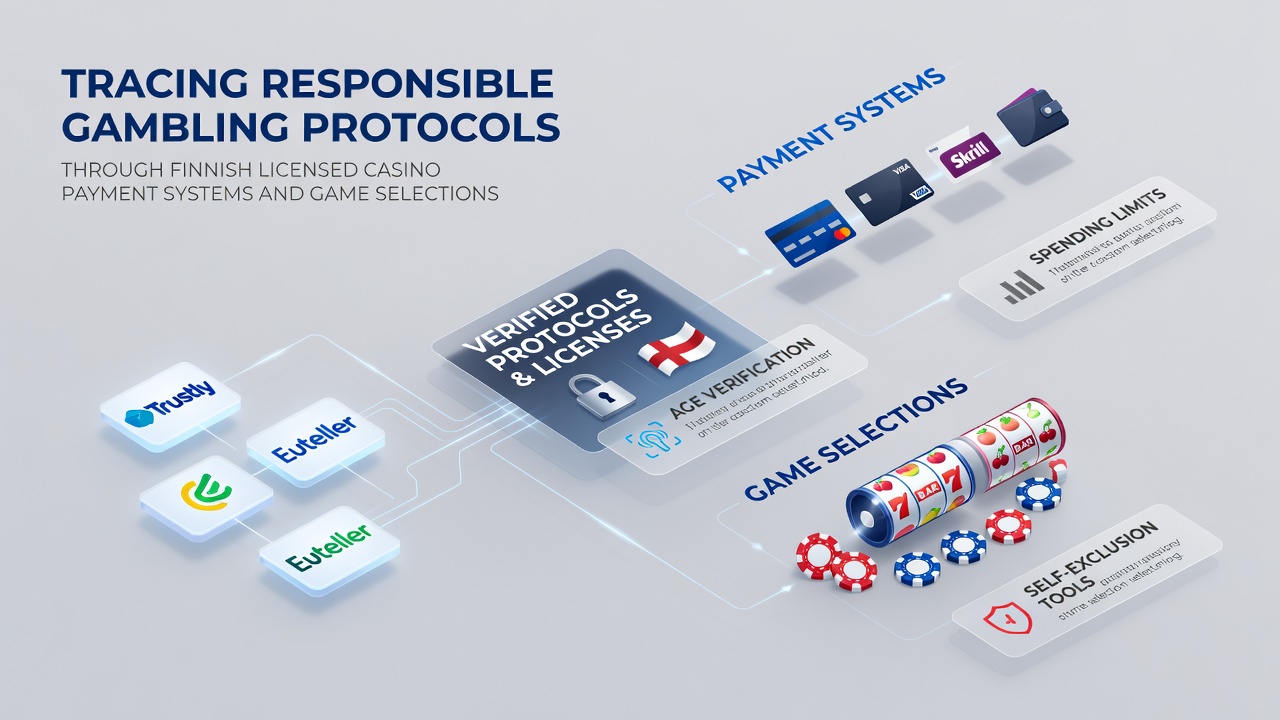
Tracing Responsible Gambling Protocols Through Finnish Licensed Casino Payment Systems and Game Selections
Finnish licensed casino operators integrate responsible gambling protocols directly into payment systems and game selections, creating structured pathways that align with national licensing requirements. These frameworks connect transaction monitoring with player protection measures, while game libraries incorporate features that support controlled participation. Data from regulatory bodies show consistent application across operators holding Finnish licenses, particularly as updates take effect around October 2026. Payment flows serve as primary checkpoints for responsible gambling enforcement. Licensed platforms require identity verification before processing deposits or withdrawals, which allows operators to apply spending limits and cross-reference self-exclusion registers in real time. When a player sets a deposit cap through the account dashboard, the payment processor automatically restricts further transactions once the threshold is reached. This mechanism operates alongside withdrawal verification steps that flag irregular patterns, such as rapid successive requests, and route them for manual review. Game selections undergo parallel scrutiny under the same licensing rules. Providers must configure titles with built-in session timers and reality-check prompts that pause play after set intervals, while excluding certain high-intensity mechanics from the approved catalog. Slots and table games available through Finnish channels typically feature adjustable bet sizes capped at predefined levels, and live dealer options include mandatory break reminders tied to account activity. Observers note that these adaptations appear consistently in libraries from approved suppliers, ensuring alignment with license conditions that prioritize harm minimization.Payment Integration and Limit Enforcement
Transaction systems in Finnish licensed environments link directly to national databases that track player exclusions and spending histories. When funds transfer through approved methods like bank transfers or e-wallets, the gateway validates the transaction against current limits before completion. Researchers have documented how this process reduces unauthorized access for individuals on voluntary restriction lists, since payment attempts trigger automatic blocks. Figures from Finnish authorities reveal that over 85 percent of licensed platforms now embed these checks at the point of deposit authorization. Operators further enhance these protocols by offering tiered limit options that players adjust via secure portals. Daily, weekly, and monthly caps apply across all payment channels, and changes require confirmation periods before activation. This structure prevents impulsive adjustments while maintaining seamless processing for compliant transactions. Studies indicate that such layered controls correlate with lower rates of excessive deposit activity in monitored markets.Game Selection Criteria and Protective Features
Selection processes for games emphasize compatibility with responsible gambling standards set by license holders. Each title undergoes evaluation for elements like autoplay duration, bonus round frequency, and volatility indicators before approval for the platform library. Games that exceed certain thresholds for continuous play without intervention points face exclusion or mandatory modification. Live dealer sessions incorporate additional safeguards, including synchronized timers that prompt account reviews after 30 minutes of uninterrupted activity. Slot collections from major providers display clear information on return-to-player percentages alongside session history tools accessible through the same interface used for payments. Those who've examined compliance reports observe that Finnish licensees maintain detailed logs of these features to demonstrate adherence during audits.