Mapping Secure Transaction Pathways to Responsible Play Tools in Finnish-Regulated Mobile Live Dealer Environments
Kirjoittanut Lars Fischer · 29.10.2026
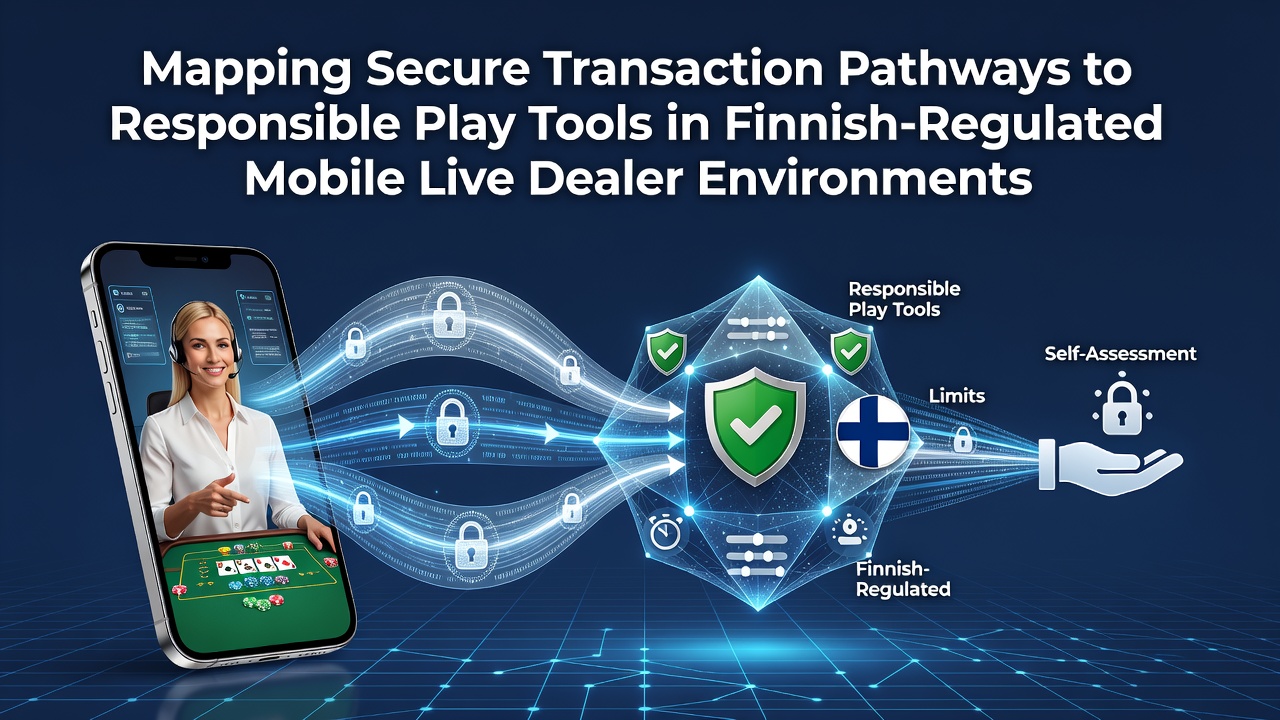
Mapping Secure Transaction Pathways to Responsible Play Tools in Finnish-Regulated Mobile Live Dealer Environments
Secure transaction pathways in Finnish-regulated mobile live dealer environments connect directly to responsible play tools through layered verification systems and real-time monitoring protocols. Finnish licensing frameworks require operators to embed payment authentication steps with player protection mechanisms that flag unusual spending patterns before they escalate. Data from licensed platforms shows transaction logs feeding into automated tools that enforce session limits and deposit caps without interrupting live dealer interactions.
Transaction Security Protocols in Mobile Live Dealer Settings
Operators under Finnish regulation route all deposits and withdrawals through encrypted channels that verify user identity at multiple points. These channels link payment confirmations to player accounts where responsible play settings already exist, creating a continuous data flow. Researchers at the University of Helsinki have documented how mobile apps synchronize transaction metadata with behavioral analytics engines that detect rapid betting sequences common in live dealer tables. This synchronization allows the system to prompt users with cooling-off options or redirect them to limit-setting menus mid-session.
Integration Points Between Payments and Protection Tools
Payment gateways in these environments transmit approval signals to responsible gambling modules that track cumulative wagers across roulette, blackjack, and baccarat tables. When a transaction approaches a pre-set threshold, the pathway triggers an interface overlay offering self-exclusion or reality-check features. Observers note that this mapping reduces the lag between fund movement and intervention, particularly during peak evening hours when live dealer traffic rises. Studies indicate that platforms implementing these connections report higher compliance rates with session duration rules enforced by the Finnish authorities.
Regulatory Framework Guiding Pathway Design
Finnish rules mandate that every licensed mobile application maintains audit trails linking each transaction to the player's responsible play profile. These requirements extend to third-party payment processors, which must supply standardized data formats compatible with operator monitoring software. As of October 2026, updated compliance checklists emphasize seamless data handoffs between banking interfaces and in-app tools that manage loss limits for live dealer games. European Commission reports on digital gambling highlight similar patterns across Nordic markets where transaction security directly informs player safety dashboards.
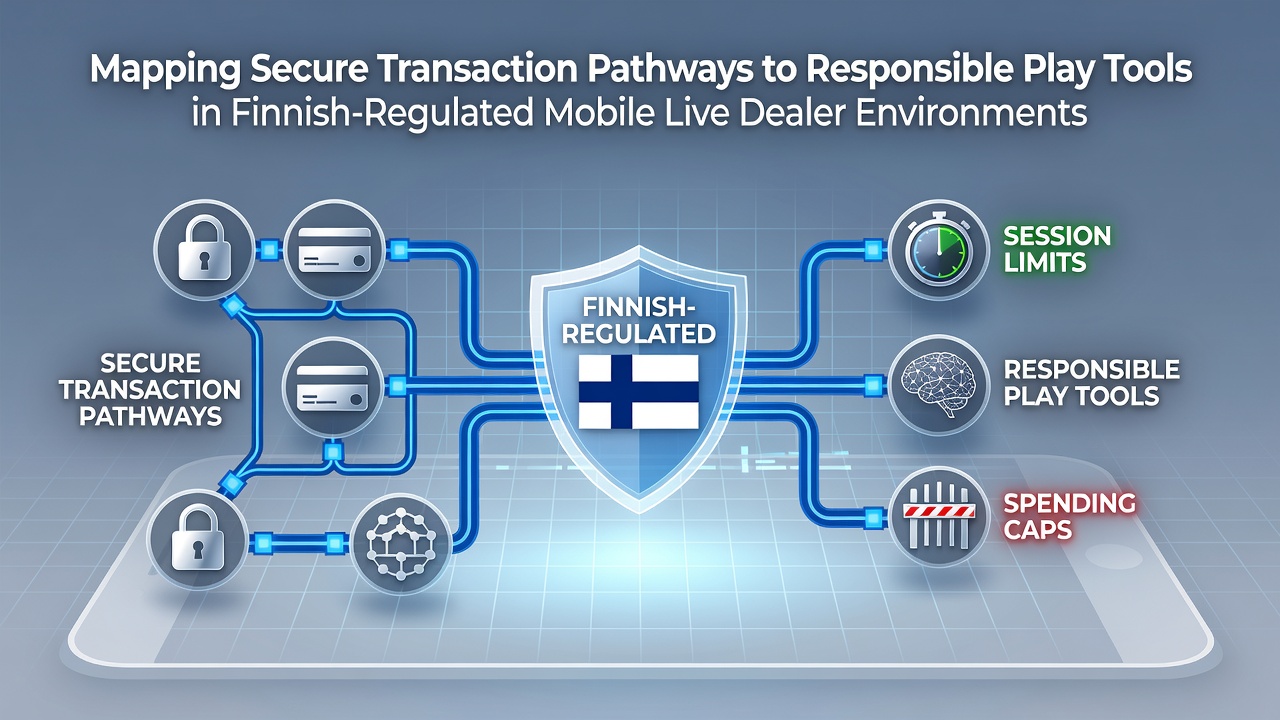
One documented case involved a platform that adjusted its withdrawal verification flow to cross-reference recent live dealer activity before releasing funds. This adjustment allowed the responsible play system to surface personalized messages based on recent transaction velocity. Those who've examined Finnish license reports find that such adjustments align with broader mandates for transparent fund handling while preserving the flow of live streams.
Data Flows and Monitoring Mechanisms
Transaction data travels through secure APIs that feed into centralized dashboards used by both operators and regulatory overseers. These dashboards aggregate metrics on deposit frequency, average bet size, and time spent at live tables. When patterns deviate from established baselines, the responsible play tools activate notifications or temporary holds. Research indicates that this real-time mapping supports proactive measures rather than reactive blocks after losses accumulate. Platforms often display progress toward personal limits directly within the cashier interface, so players encounter protection options at the moment of funding decisions.
Additional layers include biometric confirmation for high-value transfers that simultaneously update the player's risk profile. This dual-purpose verification strengthens security while reinforcing responsible play reminders without separate logins. Figures from industry monitoring groups reveal steady adoption of these combined systems across Finnish-licensed mobile environments through 2026.
Conclusion
Mapping secure transaction pathways to responsible play tools creates a unified structure that supports both regulatory compliance and player safeguards in Finnish-regulated mobile live dealer environments. The connections between payment verification and protection mechanisms continue to evolve with updates scheduled into late 2026, guided by existing license conditions and technical standards. Observers continue to track how these integrations perform across different game types and device configurations.