How License Mandates Shape Secure Payment Flows Into Mobile Live Dealer Sessions and Slot Libraries
Kirjoittanut Freya Patterson · 17.9.2026
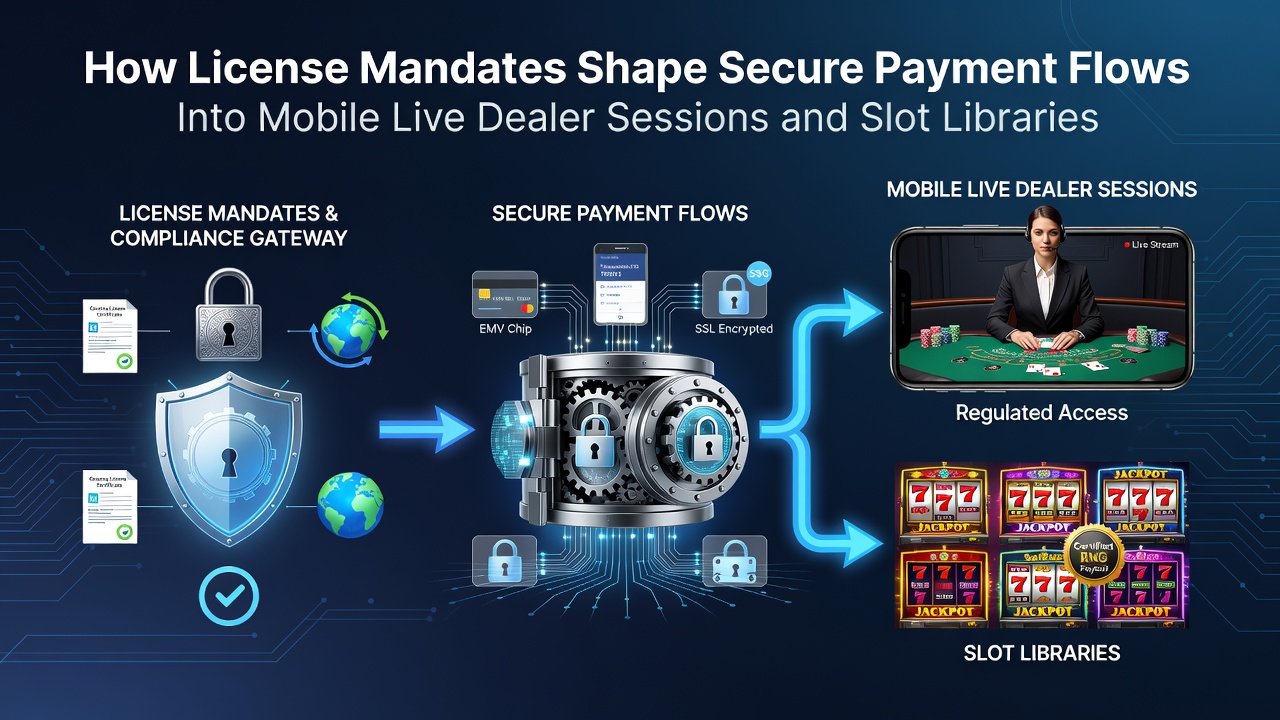
How License Mandates Shape Secure Payment Flows Into Mobile Live Dealer Sessions and Slot Libraries
License mandates establish clear requirements for payment processing that operators must follow when delivering mobile live dealer sessions and slot libraries to users in regulated markets, and these rules directly influence how funds move between accounts and game servers. Regulatory frameworks across multiple jurisdictions specify encryption standards, transaction verification steps, and audit trails that apply to every deposit or withdrawal tied to mobile play, which means payment flows cannot bypass the checks built into licensed environments.
Core Requirements from Licensing Authorities
Data from regulatory bodies shows that operators holding valid licenses integrate payment gateways that meet PCI DSS Level 1 compliance along with region-specific rules on real-time monitoring, and these measures create structured pathways where funds reach mobile sessions only after passing automated security layers. European directives on digital payments, including updates scheduled for implementation phases around September 2026, require operators to maintain separate ledgers for game-related transactions so that live dealer tables and slot mechanics operate on verified balances rather than pending transfers.
Those who study compliance records note that license conditions often demand two-factor authentication for every mobile session start, which connects directly to payment authorization and prevents unauthorized access to slot libraries or live dealer interfaces. This setup results in payment flows that pause at validation points before releasing credits to game engines, a pattern observed consistently across licensed platforms serving European markets.
Effects on Mobile Live Dealer Sessions
Live dealer environments depend on low-latency payment confirmations because players expect immediate table access after depositing, and license mandates enforce protocols that route these transactions through certified processors capable of handling high-volume mobile traffic. Research indicates that operators adjust their integration layers to support instant verification while still satisfying know-your-customer checks that apply to each new session, creating payment sequences where security steps run in parallel with game loading rather than in sequence.
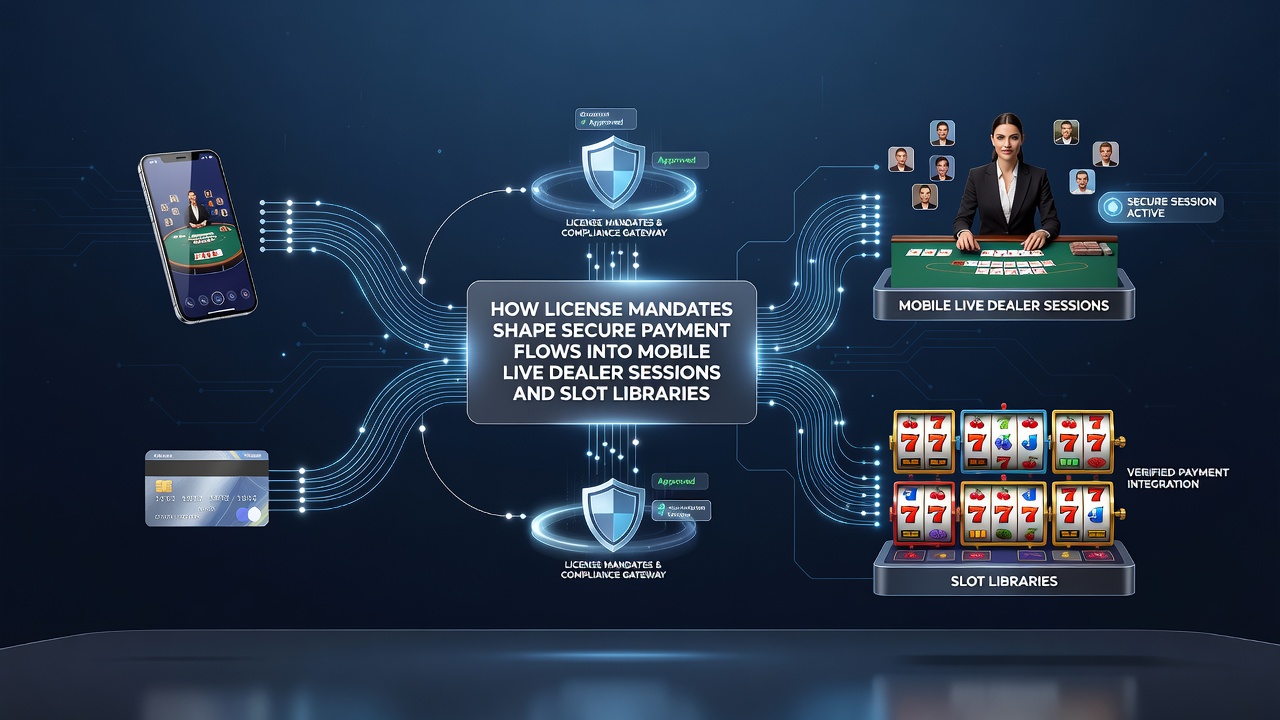
Observers note that mandates from authorities such as the Malta Gaming Authority push providers to embed payment tokens within the mobile app itself, allowing live dealer sessions to resume without re-entering financial details after the initial authorization. This approach reduces friction while preserving the audit logs that regulators review during license renewals, and it applies equally to table games streamed in real time and to the underlying slot content libraries that players switch between during the same session.
Influence on Slot Library Access and Integration
Slot libraries operate under the same license conditions that govern payment security, which means operators must ensure random number generators and payout mechanisms connect only to verified player balances updated through licensed channels. Figures from industry reports reveal that compliance patterns require slot content to load with pre-cleared payment states, preventing any display of playable reels until the transaction clears the mandated security filters.
Those tracking regulatory changes point out that requirements for segregated funds extend to mobile slot play, where deposits allocated for one game type remain isolated from live dealer balances unless the player initiates a transfer under controlled conditions. This structure maintains transparency for audits and aligns with broader rules on responsible gambling tools that licensed operators embed at the payment layer.
Technical Adaptations in Payment Architecture
License holders implement API connections that link banking partners directly to mobile game servers, and these connections follow specifications set by the licensing body to guarantee that every transaction carries traceable metadata. The result is a payment flow that supports both live dealer continuity and slot library browsing without exposing sensitive data at any point in the mobile experience.
Studies from sources such as the European Commission digital strategy reports document how updated mandates encourage the use of tokenization across all game categories, which keeps payment details off the device while still permitting quick access to sessions and libraries on licensed platforms.
Regional Variations in Mandate Application
Canadian provincial regulators apply similar principles through their own licensing processes, requiring operators to demonstrate that payment systems isolate mobile transactions from non-gaming activities before approving slot or live dealer offerings. This creates consistent outcomes where funds move through encrypted tunnels that regulators can inspect at any time, regardless of the specific jurisdiction issuing the license.
What's notable is the way these rules converge around shared technical standards even when local laws differ in detail, producing payment flows that operators replicate across markets while tailoring minor elements to each license. Data shows that such adaptations maintain security without disrupting the mobile user path from deposit to game start.
Conclusion
License mandates continue to define the boundaries within which secure payment flows support mobile live dealer sessions and slot libraries, with operators adapting their systems to meet verification, encryption, and audit standards that regulators enforce across regions. These requirements produce structured transaction pathways that prioritize compliance at every stage, from initial deposit through ongoing play and withdrawal requests. As frameworks evolve toward 2026 milestones, the patterns established by current mandates provide the foundation for ongoing technical adjustments in licensed environments.