Charting Intersections of Transaction Security Protocols and Live Dealer Adaptations Across Finnish License Frameworks
Kirjoittanut Ben Jenkins · 1.10.2026
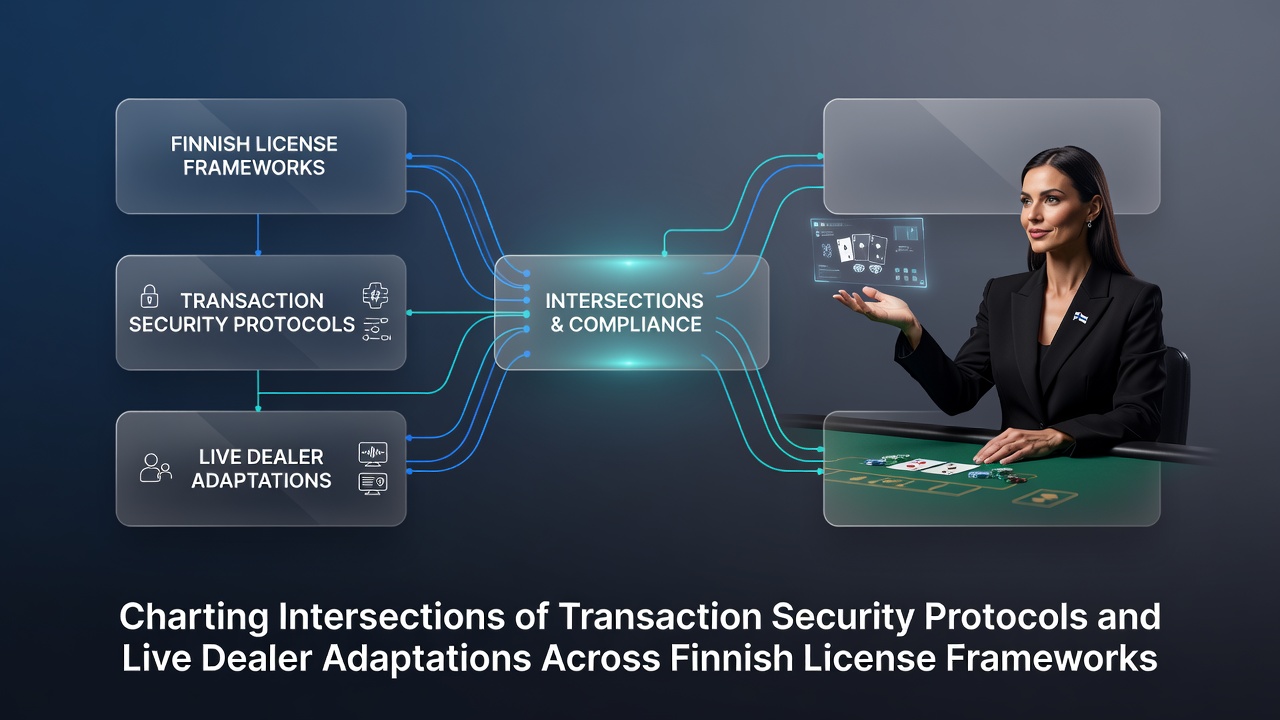
Charting Intersections of Transaction Security Protocols and Live Dealer Adaptations Across Finnish License Frameworks
Finnish license frameworks set clear standards for transaction security protocols that operators must integrate with live dealer adaptations, and these standards cover encryption requirements, multi-factor authentication processes, and real-time monitoring systems that apply across both payment flows and interactive gaming sessions. Researchers at institutions tracking Nordic gambling markets have documented how operators adjust their systems to meet these overlapping mandates, especially as live dealer tables demand low-latency connections that still satisfy strict data protection rules.
Security Requirements Embedded in Finnish Licensing
License holders operating under Finnish rules implement transaction security protocols that include end-to-end encryption for all financial transfers along with continuous audit trails that record every player action, and these same protocols extend to live dealer environments where video streams and chat functions must remain protected against interception. Data from regulatory filings shows that compliance involves regular penetration testing and third-party verification of both payment gateways and streaming servers, creating a unified approach that reduces separate vulnerabilities in each area.
Observers note that Finnish authorities require operators to maintain segregated accounts for player funds while also mandating biometric or token-based verification during live sessions, and this dual focus ensures that security measures do not create friction that disrupts the real-time nature of dealer interactions. Studies conducted by European research groups have tracked how these layered requirements influence software architecture choices across licensed platforms.
Adaptations in Live Dealer Offerings
Live dealer adaptations under Finnish frameworks incorporate adaptive streaming technologies that adjust resolution and latency based on connection security levels, allowing operators to maintain compliance without interrupting gameplay flow. Operators have integrated secure sockets layer enhancements directly into dealer interface software so that card shuffles and bet placements occur within encrypted channels that align with transaction protocols already in use for deposits and withdrawals.
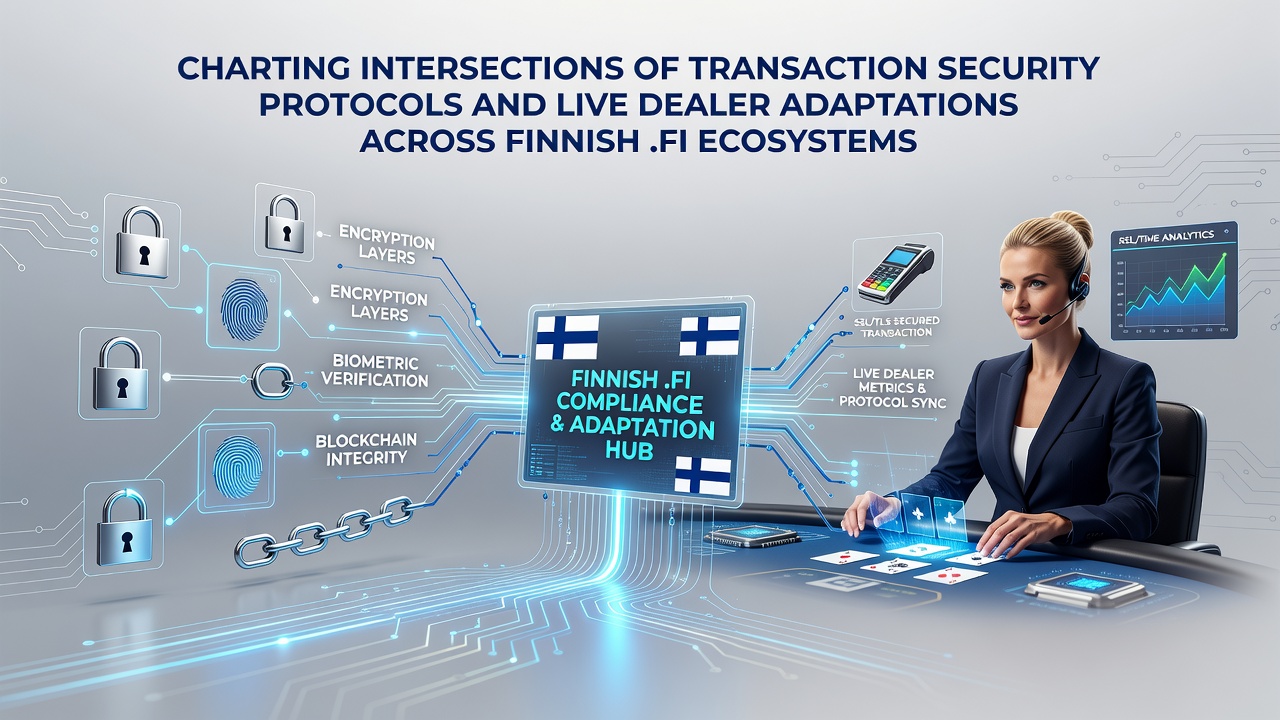
Those who examine operational reports find that studios serving Finnish-licensed markets often deploy dedicated servers located within approved jurisdictions, and these servers handle both video feeds and simultaneous payment confirmations through unified security dashboards. Figures released by industry associations reveal that such integrated setups have become standard practice since regulatory updates clarified expectations around simultaneous transaction and gameplay protection.
Points of Intersection Between Protocols and Adaptations
Transaction security protocols and live dealer adaptations intersect most visibly in authentication timing, where players must verify identity before joining a table and again when placing larger bets that trigger payment reviews. This overlap creates workflows in which the same identity tokens serve both financial and gaming functions, reducing redundant checks while preserving audit integrity. Reports from academic sources such as those hosted by the OECD digital economy papers indicate that Nordic operators have refined these shared systems to balance speed and safety.
Another intersection appears in data logging practices, where every live dealer action receives timestamped encryption that matches the format used for transaction records, enabling regulators to cross-reference events across payment and gaming logs without separate data silos. As of October 2026, updated Finnish guidelines emphasize unified logging standards that further tighten these connections and require operators to demonstrate interoperability during annual audits.
Operational Impacts Across Licensed Platforms
Operators working within Finnish license frameworks report that aligning transaction security with live dealer adaptations reduces overall system complexity because shared encryption modules serve multiple functions simultaneously. Case examples compiled by research teams show that platforms adopting these aligned approaches experience fewer compliance incidents related to data handling during high-traffic periods. People who monitor license renewals note that authorities increasingly evaluate how well security protocols scale across both payment volumes and live session counts.
Technical teams have documented the use of modular security frameworks that allow quick updates to encryption standards without requiring separate changes to dealer software, and this modularity supports ongoing compliance as new threats emerge. External analyses from groups such as the European Gaming and Betting Association highlight similar patterns in other regulated markets, yet Finnish implementations maintain distinctive emphasis on real-time integration between financial and gaming layers.
Conclusion
Finnish license frameworks continue to shape how transaction security protocols and live dealer adaptations connect through shared technical standards and regulatory oversight. Data collected through 2026 demonstrates consistent application of unified encryption, authentication, and logging practices across licensed operations. These intersections support compliance while preserving functionality for both financial transactions and interactive dealer sessions. Ongoing monitoring by regulatory bodies and research organizations tracks further refinements in these areas.